Cheap vs. Expensive Supplements: Is the Price Difference Actually Worth It?
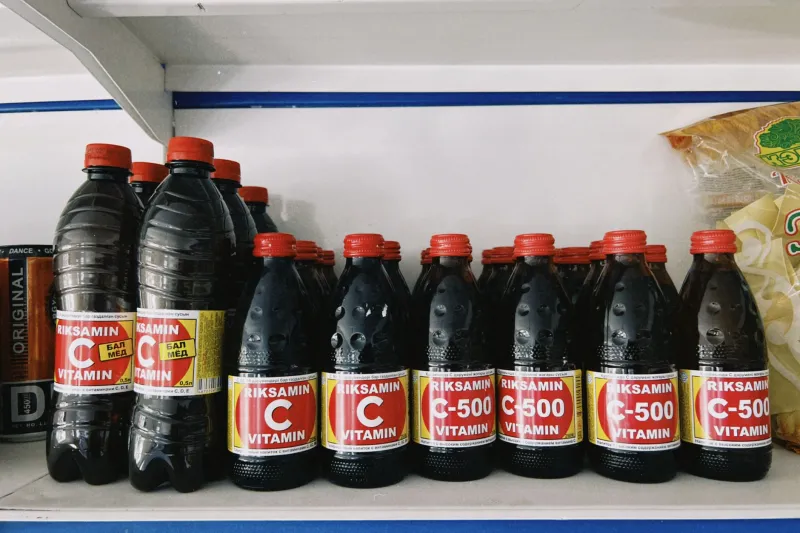
Stand in the vitamin aisle long enough and the price spread starts to feel almost absurd. A bottle of vitamin D3 at one end of the shelf runs $6. A few feet over, a "premium" version of the same nutrient is $45. Same milligrams. Similar serving size. Wildly different price tags.
So what gives? Is the expensive one dramatically better, or are you just paying for a fancier label and a more convincing marketing story? The honest answer is: it depends — and the details actually matter a lot.
Why Supplements Vary in Price (and Quality) So Much
The supplement industry in the US is regulated by the FDA, but not in the same way pharmaceuticals are. Manufacturers don't need to prove a supplement works before selling it — they only need to ensure it's safe and that the label is accurate. This creates a wide spectrum of product quality, and price doesn't always track with either.
Several real factors drive cost differences between budget and premium products:
- Ingredient form and bioavailability
- Raw material sourcing
- Third-party testing and certifications
- Manufacturing standards
- Brand overhead and marketing spend
Some of those factors directly affect how well the supplement works. Others are just business costs that get passed to the consumer. Knowing the difference is where smart supplement shopping begins.
Bioavailability: This Is Where Cheap Can Actually Cost You More
Bioavailability refers to how much of a nutrient your body can actually absorb and use. And this is the single biggest area where ingredient quality differences show up in real, measurable ways.
Take magnesium as an example. Magnesium oxide is cheap to manufacture and appears in a ton of budget supplements. Problem is, it has notoriously low absorption rates — some estimates put it around 4%. Magnesium glycinate or malate, which appear in pricier products, absorb significantly better and are gentler on the digestive system. You might technically be taking the same milligram dose, but getting a fraction of the benefit from the bargain version.
Similar patterns show up with:
- Vitamin B12: Cyanocobalamin (cheap) vs. methylcobalamin (better absorbed, especially for people with MTHFR gene variants)
- Folate: Folic acid (common, synthetic) vs. methylfolate (the active form your body uses directly)
- Curcumin: Standard curcumin has poor absorption on its own; forms like BCM-95 or those paired with piperine show much better bioavailability in studies
- Zinc: Zinc oxide vs. zinc picolinate or citrate — again, a meaningful absorption difference
The practical takeaway: paying more for a better ingredient form can genuinely translate to better results. But paying more doesn't automatically mean you're getting a superior form — you have to check.
Third-Party Testing: The Trust Factor You Shouldn't Skip
One of the most legitimate reasons to pay a bit more for a supplement is third-party verification. Because the FDA doesn't pre-approve supplements, independent testing organizations fill an important gap by verifying that:
- The product contains what it claims to contain
- It doesn't have harmful contaminants (heavy metals, pesticides, microbes)
- The dose on the label matches what's actually in the capsule
Organizations like NSF International, USP (United States Pharmacopeia), Informed Sport, and ConsumerLab are the names to look for. A supplement carrying one of these seals has gone through real, rigorous testing — and that costs money, which is reflected in the price.
This matters more than most people realize. A 2023 ConsumerLab review found that a meaningful percentage of tested supplements contained less of the active ingredient than advertised, and some contained contaminants not listed on the label. Budget brands are more likely to skip third-party testing simply because it's an added expense — but not all of them do, and not all expensive brands bother either.
Always look for the seal, not just the price.
Ingredient Sourcing: Does It Make a Difference?
Premium brands often tout their sourcing — "grass-fed," "wild-caught," "organic," "non-GMO." Some of this is meaningful. Some of it is marketing.
Fish oil is a good case study. Omega-3 supplements vary significantly in quality based on the fish species used, the freshness of the oil, and the form of omega-3 (triglyceride form is better absorbed than ethyl ester, which is more common in cheaper products). A rancid fish oil supplement is not only less effective — it may actually contribute to oxidative stress. Freshness and form matter here, and they do tend to correlate with price.
On the other hand, basic nutrients like vitamin C are relatively straightforward — the difference between a budget ascorbic acid and a premium one is usually minimal in terms of actual effect. You might be paying for a fancier delivery system or added bioflavonoids, but for most people, the extra cost won't translate to meaningfully better outcomes.
Where Budget Brands Actually Hold Up
Let's be fair to the affordable end of the market. Some budget-friendly supplement brands genuinely deliver solid quality — especially for simpler, well-studied nutrients. Brands like NOW Foods and Thorne (which sits in the mid-range) have strong reputations for quality at reasonable price points. And store-brand vitamins from retailers like Costco's Kirkland line often pass third-party testing with flying colors.
For supplements where bioavailability differences are minimal and the ingredient forms are standardized — basic vitamin D3, vitamin C, zinc gluconate — going budget is often perfectly reasonable.
A Practical Framework for Smarter Supplement Spending
Here's a simple way to think about where to splurge and where to save:
Worth paying more for:
- Magnesium (look for glycinate or threonate)
- B12 (methylcobalamin)
- Folate (methylfolate)
- Fish oil (triglyceride form, freshness-tested)
- Curcumin/turmeric (enhanced bioavailability formula)
- Anything you're taking for a specific health goal where efficacy really matters
Fine to go budget on:
- Vitamin D3 (most forms are well-absorbed)
- Vitamin C (basic ascorbic acid works fine for most people)
- Fiber supplements
- Collagen peptides (quality varies, but basic hydrolyzed collagen from reputable brands is effective at multiple price points)
Always check regardless of price:
- Third-party testing seal
- Actual ingredient form on the label
- Serving size vs. effective dose in the research
The Real Bottom Line
The premium price tag isn't a guarantee of quality — but neither is a cheap price a sign of a bad product. The supplement market rewards informed buyers. Once you know what to look for on a label, you'll stop making purchasing decisions based on packaging aesthetics or influencer endorsements and start making them based on what the science actually supports.
Fuel your best life naturally — and that starts with spending your supplement budget where it genuinely counts.


